
We are here for the World industry. Odor Control neutralization services help each branch in the industry to perform cleanly and leave a positive impression on the community it belongs to.
Control asphalt odors naturally.
Asphalt mix production generates odors that can be strong, persistent and can affect employees and neighbors. Controlling and neutralizing these odors can be a challenge.
Asphalt odorant products are ideal for the following applications:
· Hot asphalt cement mixture
· Hot asphalt cement mixed with anti-slip and other additives
· Crushed asphalt
· Asphalt emulsions
· Oily fuels
· Used oily fuels
· Odor Control products are effective in neutralizing unpleasant odor emissions in refineries, terminals, hot mixers, pavement systems and pavements in the U.S. and internationally.
· Odor Control products have been tested by independent laboratories and by customers, proving that they do not have a negative effect on the properties of the asphalt.
Contact Odor Control for more information about your application.
A single solution to manage composite smells.
Many resins used in the composite industry emit styrene vapors that are considered dangerous in high concentrations and whose odor is a continuous discomfort. This gas is classified as a volatile organic compound (VOC) and listed by the Environment Agency as a dangerous atmospheric pollutant (HAP). Stirene is considered highly reactive in the atmosphere and can contribute to the formation of secondary pollutants in the air.
Odor Control solutions have been developed specifically for use on the growing market and are an ecological solution for the control of styrene odors. These improve the solubility of styrene so that the styrene molecules in the air can be dissolved by Odor Control odor-neutralizing products sprayed into the air. Laboratory tests show that our aqueous solutions react with dissolved styrene - reducing styrene by 98% in 20 minutes.
Control composting odors naturally.
Municipal sludge is often compounded in indoor installations or in composting halls. These areas are significant challenges for smell control. Neutralizing, vaporized or spraying products in concentrated form with nozzles or spray fans neutralize odors even in very large composting plants.

As with most types of odor, compost emissions are intensified by agitation. As the compost rows are turned or solid waste discharges, the smell intensity increases drastically. Neutralizing products can be used to control wastage either in a localized area or to surround a large area such as a landfill or a compost store. Commercial spraying systems can also be added to plant infrastructure to neutralize odors because they are released from machines such as graders and forklifts.
Unpleasant odors in the food industry vary enormously, as they can be generated both in the production, processing and purification areas of the production line wastewater. Regardless of the source, all these smells can be disturbing for both workers and neighbors.
Meat processing and rendering processes encounter difficulties in controlling odors because they occur naturally when the organic material stands for a while. Some food processing plants have their own wastewater treatment plants, the lagoons of which smell because of the high organic load (grease) from the effluent. Furthermore, the sludge generated during the water purification step can also generate odor. Even pleasant smells, such as those in a spice plant, can become disturbing when someone smells them for long periods of time.
Odor Control products are environmentally safe and are approved for use in food processing facilities in accordance with European regulations and EPA. They can be used in storage areas of raw materials or in food stores, in waste collection areas or in waste processing, in the waste water treatment plant and in the cleaning systems in the cooking zones. Because Odor Control neutralizing substances are broad spectrum odor neutralizing solutions, they control the entire range of odors in food processing plants.

Versatility of systems provides factory managers with an economic alternative for efficient and effective smell removal.
Odor Control promotes various applications to eliminate these common smells from food processing from:
· Processing of meat - slaughterhouses,
· Factory of livestock - rendering,
· Zootechnical farms,
· Processing fish preparations,
· Brewery,
· The wine-alcohol factory,
· Factory of artificial flavors,
· Chocolate Factory,
And so on
Do you have a unique food processing application that requires a safe and effective odor removal solution?
Contact your odor control experts at Odor Control and let us help you clean the air.
Odors associated with liquid waste processing.
Liquid wastes such as fats, oils and grease (F.O.G.) can produce unpleasant odors, which are even more pronounced at different stages of processing. Odorous liquids in restaurants are often transported by truck to filtration plants and then to plants where they are converted into reusable by-products.
In the past, these odors were almost impossible to eliminate due to the molecular structure of long chain fatty acids. The trucks, grease processing units and fat treatment units had to resort to the pure masking of odors. Odor Control has developed advanced solutions designed to completely eliminate, not just mask, both organic and inorganic odors caused of long chain fatty acids.
Ecological, non-perfuming formulations efficiently remove the liquid waste odors through a variety of spray or incorporation systems directly into the degreaser, adapting to various factors such as climate, location, odor concentration in the area and flow of air.
Transport Trucks.
During loading and unloading of grease picking trucks, strong smells can escape into the atmosphere. The use of natural products Odor Cntrol allows you to remove odors of liquid waste before it disturbs residents and businesses in the vicinity.
Fat processing plants.
When the restaurants send their liquid waste to the grease processing plants, the odors associated with these by-products also end up there. The Odor Control products instantly eliminate these smells at first contact.
Rendering factories.
Processing of animal by-products into reusable materials such as lard or tallow can also produce odors that are difficult to remove. Odor Control smell neutralizing products have been formulated specifically to decompose long chain fatty acids and neutralize odors produced during the rendering process.
Smell neutralizing Odor Control is a safe and effective solution for removing odors of liquid waste.
Use Odor Control products to eliminate the odors of the foundry naturally.
Odor Control products are extremely effective for destroying and eliminating the many odorous gases produced by the metal melting process. They chemically transform smelly gases without the result of harmful by-products. In the metal industry, Odor Control products are effective in compounds such as amines, sulfur dioxide, phenols, formaldehyde, ammonia, solvent hydrocarbons, etc.
Inside the foundry, Odor Control products can be used to eliminate odors that are frequently found in metalworking plants. These include triethylamine (TEA) and dimethylethylamine (DMEA).
Remove sulfuric odors.
Sulfur dioxide (SO2) is another gas that can be found in metalworking plants.
Improve air quality.
The level of effectiveness is determined by the concentration of odor, the type of equipment used, and the amount of Odor Control products dispersed through special application systems.
Odor Control solutions are very effective in foundries. In the case of binders, bricks and resins, these additives have been shown to successfully remove the unpleasant smells from the transport, casting, cooling and shaking operations and processes.
Foundries of non-ferrous metals.
Triethylamine and other gases can be found in non-ferrous metal foundries.
Using Odor Control products in both areas can solve problems of any size.
Cellulose and odorless paper production. The pulp and paper industry is an important source of unpleasant odors, often from emissions of hydrogen sulfide, mercaptans and sulfur dioxide. Fortunately, Odor Control products offer a natural and effective solution to neutralize these odors and all others associated with the paper and pulp industry.
Odor-neutralizing substances have been repeatedly used by large paper and pulp producers to control the smells of lagoons, primary clarification ponds and landfills.
Contact Odor Control for more information on how to help neutralize all types of odors in cellulose and paper production. With a variety of available products and dispersion systems, we will work with you to develop a smell management system that is well suited to the type of scent, scale, budget, and needs.
You refine the fuel, We eliminate the odors.
Petroleum refineries and petrochemical plants can generate large amounts of odor from processing and refining different fuels. Sulfides, mercaptans and hydrocarbon compounds are closely related to the petroleum industry. The odors generated by these industrial compounds are a high level of inconvenience and, in general, raise concerns among environmental agencies and the public.
Odor neutralizers can be used in a variety of areas around the refinery, including water treatment plants, mud ponds, sulfur recovery units and API separators. To neutralize odors during tank cleaning and maintenance operations, portable spray systems can be used in the immediate work area to control odor emissions. The neutralization solution can be injected directly into the chimney and mud deposits and can be used as an alternative wash solution in some applications.
Typical applications during the refining process are:
• Storage tanks
• Tailings ponds
• Sludge ponds
• Oil / water separators
• Wastewater basins
• Cleaning the tank
• Odors from the refining process
Odor Control products are a safe and effective solution for removing odors in petroleum refineries and petrochemical plants.
Contact Odor Control to learn more about our unique delivery systems.
coming soon
From the production process to the product, we neutralize the rubber and plastic odors.
Unpleasant odors, whether linked to the production process or the final product, are an inherent concern associated with manufacturing polymers. Fortunately, we have a versatile proven solution to work in the plastics and rubber industry.
Odor neutralizing products have a natural, ecological formula that acts quickly and efficiently to neutralize harmful polymer odors without the use of masking agents or perfumes.

So far, odor control products for odor neutralization have been used to remove polymer odors associated with new and recycled products such as tires or mats. They have also proven to be as effective in removing odors from the production process emitted through the discharge pits during the manufacture of polymeric materials or from the handling of recycled plastic and rubber materials.
For specific odor neutralizing applications, these are available in formulations that neutralize odors related to phenolic resins and much more. There are also Odor Control products that can be injected into plastic materials used in the manufacture of packaging.
The smell of rubber causes complaints to your factory near any neighboring community. Be a good neighbor and contact Odor Control to help you determine which neutralization system is right for you.
Removing industrial odors is naturally our civic duty.
Solid waste.
All areas of solid waste handling are, by their very nature, a smelly business. Municipal solid waste, landfills, composting and co-composting plants generate odors that can be dampened by workers and the community in general.
Different types of solid waste generate different odors. Generally, gas extracted from solid municipal waste dumps contain large amounts of methane, but since methane is odorless, smelly mercaptans give rise to inconvenience.
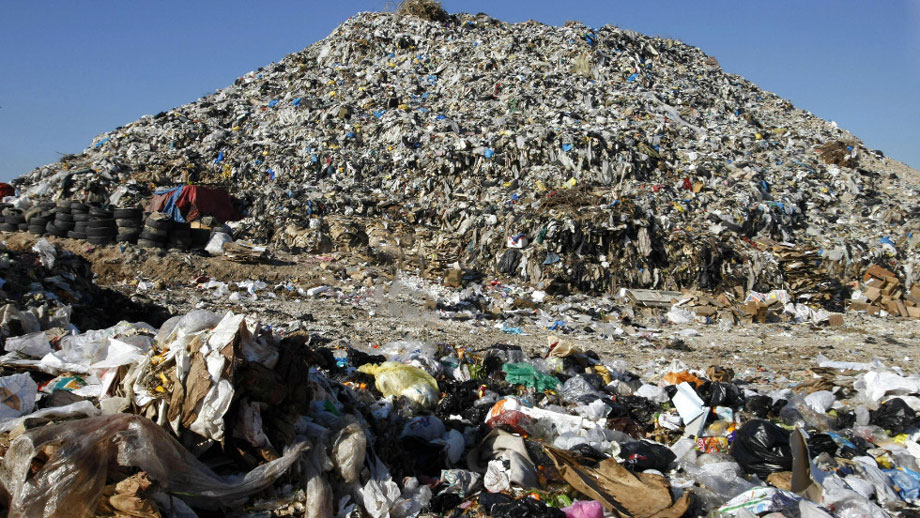
As with most odors, emissions are intensified by agitation. As solid waste is discharged, the level of odor increases dramatically. Odor Control technologies can control these odors either in a localized area or to surround a large area, such as a landfill. Spray devices can also be added to the warehouse infrastructure to control odors because they are released by machines, such as saw blades and winders.
Odor Control has a special solution designed to meet the strict budgetary constraints faced by municipalities without changing the efficiency of neutralizing odors in the industrial system.
When it comes to managing odors, simply cleaning the tank is not enough to eliminate odors.
Before cleaning, the air in the storage tanks is evacuated into the atmosphere to the lower explosion limit (LEL). This allows workers to access the tank in safety coordinates. During ventilation, odors are released into the atmosphere, causing discomfort to nearby residents and employees. In addition, cleaning of storage tanks results in a production interruption that reduces the profitability of the manufacturing process.
Odor Control products are effective for most storage devices, including:
• Naphthalene
• Diesel
• Butyl tert-butyl ether (MTBE)
• Crude oil
• Amine
• Phenols
• Formaldehyde
• Ammonia
• Sulphur dioxide
Industrial and municipal wastewater treatment produces strong, persistent and unpleasant odors for employees, residents, businesses and industries located near the waste water treatment plant.
Odors are generated in varying degrees throughout the wastewater treatment process, the main odor generating areas being pumping stations, separators, clarifiers, digesters, aeration tanks, lagoons and sludge treatment areas.
Odors that are generally associated with this process include hydrogen sulfide, ammonia, sulfur dioxide, scatol, mercaptans, amines and indole.
Each water treatment plant has its own areas with specific problems, all of which can be repaired using Odor Control neutralizing products at strategic points to manage these industrial odors.
Collection and downloading
Septic trucks have to discharge the load somewhere and this is usually the local wastewater treatment plant. Septic trucks are particularly odorous and may have odor problems at the sewage treatment plants where they discharge. Simple spraying systems with fan or nozzles positioned close to the discharge point and downstream outdoor locations will provide a simple and efficient temporary control as required. Or the incorporation of neutralizing solutions in the septic truck causes the load to be neutralized olfactory.
Separators and primary treatment.
Hydrogen sulfide is a stringent problem in wastewater treatment plants. Spray neutralizing systems installed at the decanter and digester solve this problem. In some cases, neutralization solutions can be diluted with water resulting from treatment for economic operation.
Activated sludge basins
Because the activated sludge basins can be both large and uncovered, migrating smells can be a serious problem. Odor Control can work with you to select the right delivery systems for odor neutralizing products.
In an industry where the goal is to create something pure from a previously impure source, choosing a solution to neutralize environmental friendly smell is a natural choice. For more information contact Odor Control specialists.